
Case studies
Nine real situations, nine ways of handling them
Rolling out across several countries, bringing beginners and advanced learners together, training without disrupting a department, preparing experts or teams for critical situations: here is how these challenges were handled.

- 9
- programmes described
- 8
- languages taught
- 2023-2025
- period covered
Find the situation closest to yours
Wondering how other companies dealt with a situation close to yours? Each case study starts from the question you are asking yourself, shows you what made the situation difficult and what we put in place, then gives you the measured results and what you can apply in your own organisation. The programmes are real and anonymised, out of respect for our clients' confidentiality. The published indicators cover 2023, 2024 and 2025.
Our method
What stays the same, whatever the programme.
The working framework is the same for all our clients: management that takes the administration off your hands, and teaching built on work situations. What changes is the languages, the content, the formats and the pace.
Assessment
Design
Practice
Follow-up
Measurement
Management
What we take off your hands
Teaching
What your teams experience
- 1
Assessment
Management: Tests organised without disrupting departments, then a map of levels the training manager can put to use.
Teaching: Level by skill, job objectives and conditions for success: availability, deadlines, formats.
- 2
Design
Management: Formats, schedule, funding and administrative documents, with a single point of contact.
Teaching: A path built on the situations to be mastered, and a trainer chosen according to level, job and objective.
- 3
Practice
Management: Sessions that each learner books and reschedules around their own constraints, on site or remotely.
Teaching: Independent preparation between sessions, with time with the trainer kept for practice.
- 4
Follow-up
Management: Activity tracked throughout the path, reminders when someone drops off, alert rules agreed with you.
Teaching: Pace and content adjusted along the way, with a change of trainer possible without losing the thread.
- 5
Measurement
Management: Consolidated reporting, traceable from enrolment to invoicing.
Teaching: Assessment retaken at the end of the path, objectives evaluated, next steps recommended.
Nine situations, nine answers.
-

Energy · English + 6 languages
Managing a multi-country, multi-site, multilingual programme
Standardise the management framework, keep languages, job objectives and pace adaptable: harmonise without making everything uniform.
- Remote
- In person
- Flipped classroom
-

Public sector · Scientific expertise · English
Preparing experts to defend their work in English
Start from the communication tasks that make them effective: presenting an analysis, explaining a method, answering objections.
- Remote
- One-to-one lessons
- Flipped classroom
-

Telecommunications · English + 4 languages
Individualising paths, from beginner to advanced, within a single programme
A shared framework, a platform for independent preparation and sessions with the trainer kept for speaking practice.
- Remote
- In person
- Digital platform
-

Public sector · Regulated environment · English
Maintaining a regulatory language skill without disrupting a continuous service
Fit each path around shift patterns and professional deadlines, in an environment where language skills are regulated.
- In person
- Remote
- Simulator
- Immersion
-
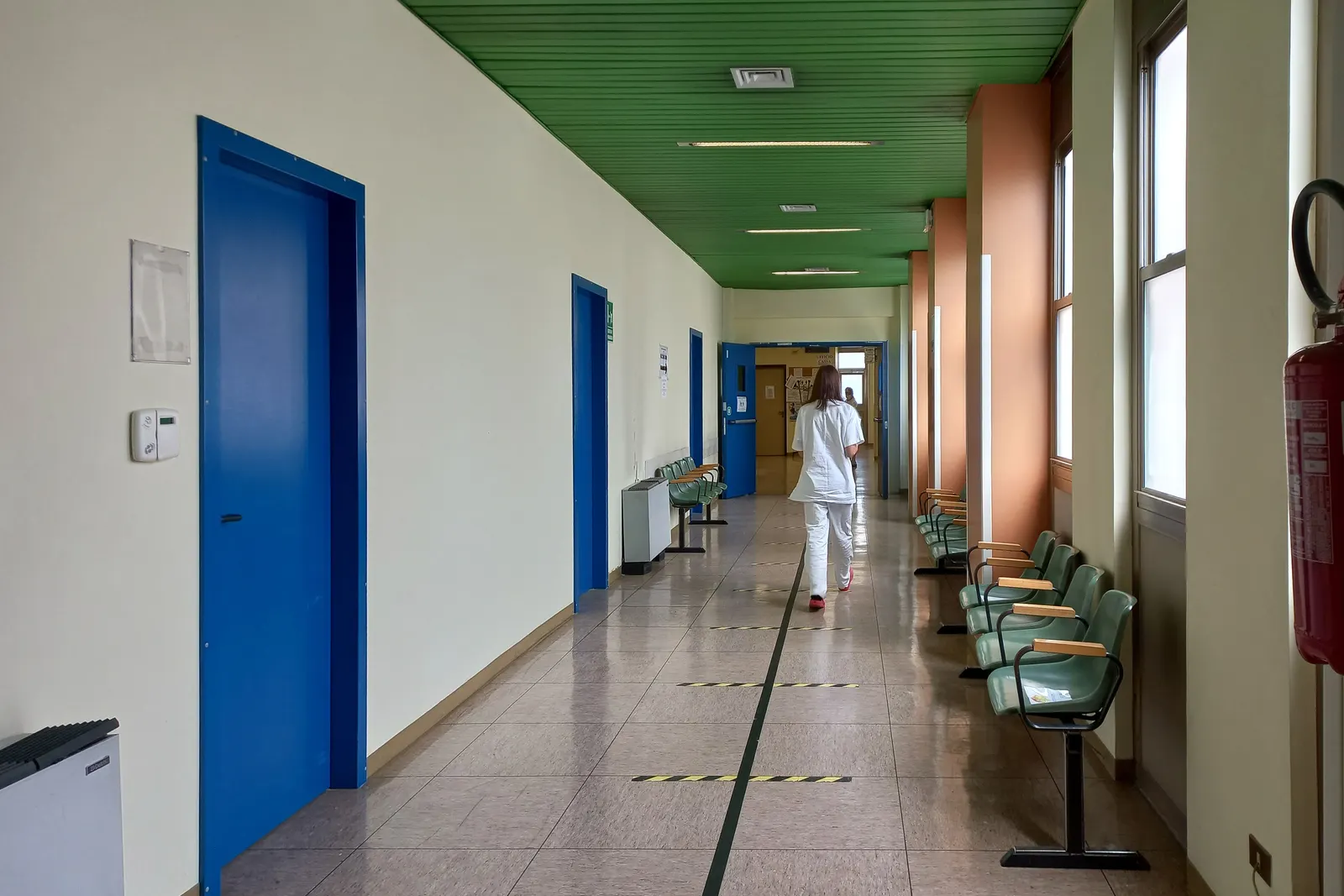
Public sector · Hospital healthcare · English
Better welcoming non-French-speaking patients and their families
English built on hospital situations: welcoming, directing, reassuring, booking an appointment, talking with families.
- In person
- Small groups
- Role plays
-

Industry · Engineering · English
Preparing international teams to communicate under stress
Critical call simulations and training in understanding varied accents, for teams spread across several continents.
- Remote
- In person
- Call simulations
-

Technical services for businesses · English + 5 languages
Moving to a single provider and comparing results from one site to another
A single point of contact, a shared path structure, common indicators and reporting that can be compared from one site to another.
- Remote
- In person
- Flipped classroom
-

Technology · Consulting · English + 5 languages
Linking employability, client situations and certification
Consultants prepared for project meetings and client presentations, with the TOEIC test built into the path.
- Remote
- In person
- TOEIC certification
-

Public sector · Culture · English
Building training from real work
A role-by-role assessment, a tailored glossary and materials that can be used directly on the job, even when starting from scratch.
- On site
- Remote
- On-the-job materials
FAQ
Frequently asked questions
A training project to build?
Let's talk about your business challenges and your teams' language needs. We design a tailored programme, from assessment to funding.
Let's talk